
Iceland Unveiled: Chasing Northern Lights, Glaciers, and the Golden Circle
From the electric dance of the Aurora Borealis to thundering waterfalls and ancient glaciers, Iceland is a land of raw, untamed beauty. Join us on an unforgettable journey through fire, ice, and the legendary Golden Circle.
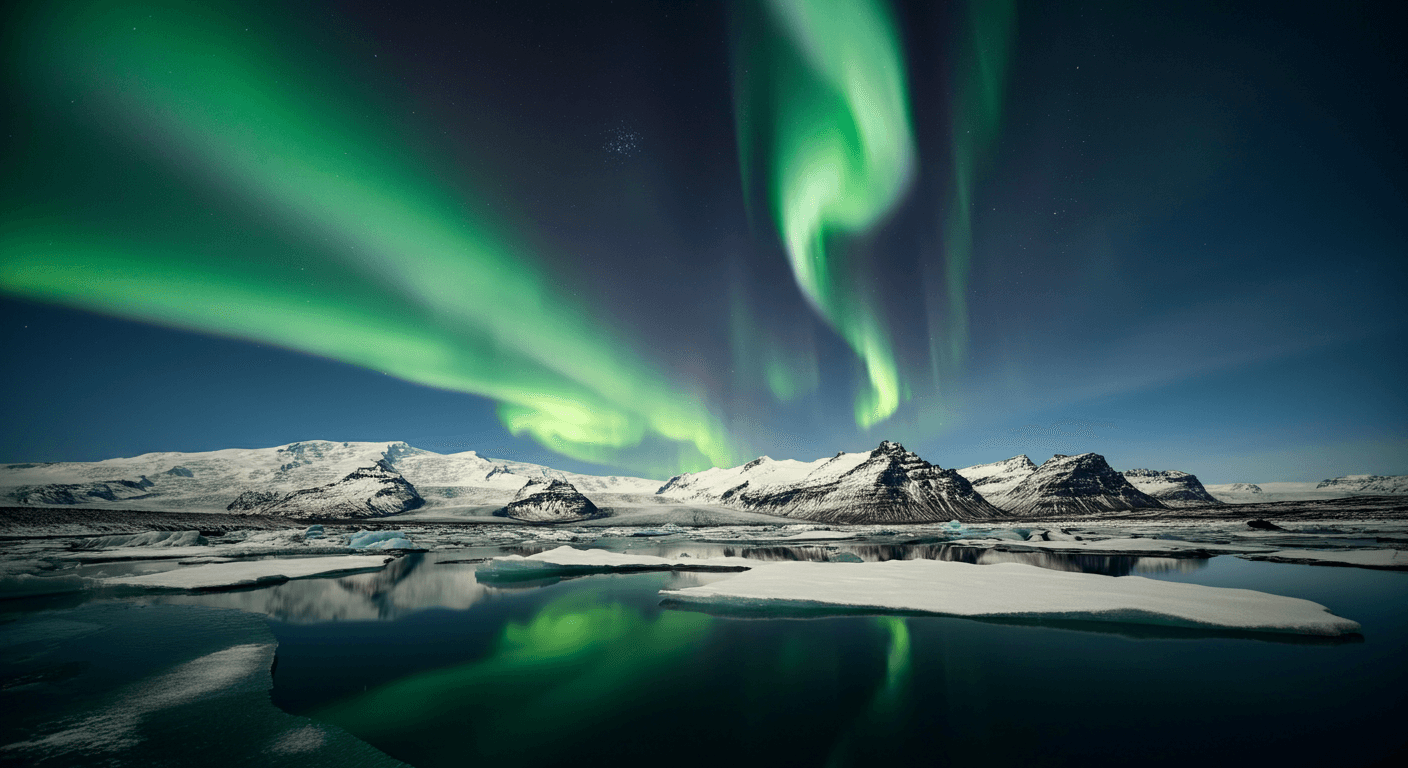
Introduction: Where Fire Meets Ice
Iceland is not a destination — it is an experience that rewires your sense of what the natural world can be. Perched on the edge of the Arctic Circle, this island nation sits astride the Mid-Atlantic Ridge, where the Eurasian and North American tectonic plates pull apart in slow, geological drama. The result is a landscape unlike any other on Earth: volcanic black sand beaches, steaming geothermal vents, ancient glaciers, and skies that erupt in curtains of green and violet light.
We arrived in Reykjavík in late September, just as the long summer days were giving way to the first real darkness of the year — and with it, the promise of the Northern Lights. Our itinerary was ambitious: the Golden Circle, the South Coast waterfalls, a glacier hike on Vatnajökull, and as many clear nights as the Icelandic weather would allow. What followed was ten days of wonder, humility, and the kind of awe that only wild places can inspire.
Chasing the Northern Lights
Nothing quite prepares you for your first Aurora. You can study photographs, watch time-lapses, read every traveller's account — and still, when the sky above you begins to shimmer and shift, you feel a primal, wordless astonishment. We saw our first display on our second night, standing in a frozen field outside the small town of Selfoss, necks craned upward, breath clouding in the cold air.
"The lights moved like something alive — a slow, breathing green that suddenly surged into ribbons of violet and white. I forgot to take a photo for a full two minutes. I just stood there, mouth open."
Chasing the Aurora requires patience, flexibility, and a willingness to sacrifice sleep. The key is darkness and clear skies, which means escaping city light pollution and monitoring the aurora forecast obsessively. We used the Icelandic Met Office's aurora forecast alongside the vedur.is cloud cover maps to plan our nights.
- Best months: September through March, when nights are long enough for darkness.
- Best locations: Away from Reykjavík — try Þingvellir, the Snæfellsnes Peninsula, or the Westfjords.
- KP index: A KP of 3 or above gives a good chance of visible activity in Iceland.
- Dress for it: You may be standing still in sub-zero temperatures for an hour or more. Layer up.
Over our ten days, we were lucky enough to witness three separate displays — each one different in character, each one impossible to forget.
Geysers: The Power of the Earth
Iceland's geothermal energy is not merely a curiosity — it is the heartbeat of the island. Roughly 90% of Icelandic homes are heated by geothermal power, and the landscape is dotted with steaming vents, bubbling mud pools, and the occasional geyser that reminds you, with startling force, that the ground beneath your feet is very much alive.
The most famous geyser in Iceland — and the one that gave all geysers their name — is Geysir, located in the Haukadalur geothermal valley. Geysir itself is largely dormant these days, but its neighbour Strokkur erupts faithfully every five to ten minutes, shooting a column of boiling water up to 40 metres into the air. We stood at the rope barrier, cameras ready, watching the blue bubble of superheated water swell and then explode skyward with a deep, satisfying whomp.
"Strokkur doesn't announce itself. One moment there's a glassy dome of water, the next — an eruption of steam and fury. Every time, the crowd gasps. Every time, it feels like the first time."
Beyond Strokkur, the wider Haukadalur valley rewards slow exploration. Colourful mineral deposits stain the earth in shades of orange, yellow, and rust. The smell of sulphur hangs in the air — sharp and elemental, the scent of the planet's interior. It is, in the best possible way, deeply strange.
Majestic Waterfalls
Iceland has more waterfalls per square kilometre than almost anywhere else on Earth, and the South Coast is its greatest showcase. Two waterfalls in particular stopped us in our tracks and refused to let us go.
Seljalandsfoss is the waterfall you can walk behind. A curtain of water drops 60 metres from a cliff edge, and a narrow path leads around and behind the cascade, placing you inside the roar and the mist. In autumn, the surrounding cliffs are draped in golden moss, and the light — when it breaks through the clouds — turns the whole scene into something from a dream.
Skógafoss, a few kilometres further east, is pure, uncompromising power. At 25 metres wide and 60 metres tall, it generates a permanent rainbow in its mist on sunny days. A staircase of 527 steps climbs the cliff beside it, rewarding those who make the ascent with a view along the Skógá river valley that stretches all the way to the Eyjafjallajökull glacier.
- Arrive at Seljalandsfoss early morning or late afternoon for the best light and smaller crowds.
- Wear waterproof clothing behind Seljalandsfoss — you will get wet.
- Climb the stairs at Skógafoss for views that most visitors miss entirely.
- Check road conditions before driving the South Coast in autumn and winter.
Further afield, Gullfoss — the Golden Waterfall — forms the dramatic finale of the Golden Circle. The Hvítá river plunges into a rugged canyon in two stages, and the sheer volume of water is staggering. On a clear day, the spray catches the light and fills the air with fleeting rainbows.
Glacier Hikes: Walking on Ancient Ice
To walk on a glacier is to walk on time itself. The ice beneath your crampons may be thousands of years old, compressed layer by layer from snowfall that predates written history. Iceland's glaciers cover roughly 11% of the country's total land area, and Vatnajökull — Europe's largest glacier by volume — dominates the southeast like a frozen continent.
We joined a guided glacier hike on Sólheimajökull, an outlet glacier of the Mýrdalsjökull ice cap on the South Coast. Our guide, a quietly passionate glaciologist named Sigríður, handed us crampons and ice axes and led us up onto the glacier's surface. What we found there was both beautiful and sobering.
"This crevasse was not here five years ago," Sigríður said, gesturing to a deep blue crack in the ice. "The glacier retreats about 100 metres every year now. What you are standing on is disappearing."
The glacier's surface is a world of blue-white ice, dark volcanic ash layers, meltwater streams, and sudden, vertiginous crevasses. The colours are extraordinary — deep cerulean blue in the cracks, silver-white on the open ice, black where ash from past eruptions has been folded into the glacier's body over centuries.
- Always hike with a certified guide — glaciers are dynamic and dangerous without local knowledge.
- Wear sturdy, waterproof hiking boots. Crampons are provided by tour operators.
- Book glacier hikes in advance, especially in summer and early autumn.
- Sólheimajökull is accessible year-round and is one of the most accessible glaciers in Iceland.
A glacier hike is not merely an adventure activity. It is a lesson in geology, climate, and the fragile, irreplaceable beauty of the natural world.
The Golden Circle Route
The Golden Circle is Iceland's most celebrated road trip — a roughly 300-kilometre loop from Reykjavík that takes in three of the country's most iconic natural and historical sites. It can be driven in a single long day, but it rewards those who linger.
The route's three anchors are Þingvellir National Park, the Geysir geothermal area, and Gullfoss waterfall. Together, they offer a compressed masterclass in what makes Iceland extraordinary: geological drama, geothermal power, and the kind of raw, elemental beauty that makes you feel very small and very grateful.
Þingvellir is where Iceland's story begins. This is the site of the Alþingi, the world's oldest parliament, established in 930 AD. It is also the place where the North American and Eurasian tectonic plates are visibly pulling apart — you can walk in the rift valley between two continents, a crack in the Earth's crust that widens by about 2 centimetres every year. The landscape is vast, austere, and profoundly moving.
From Þingvellir, the route winds northeast through lava fields and farmland to the Geysir area, then south and west to Gullfoss before looping back to Reykjavík. Along the way, detours to the Kerið volcanic crater — a vivid red caldera filled with a turquoise lake — and the Secret Lagoon geothermal pool in Flúðir are well worth the extra time.
- Start early to beat tour buses at Þingvellir and Geysir.
- The Golden Circle is driveable year-round, but winter conditions require a 4WD vehicle.
- Add Kerið crater to your itinerary — it takes only 30 minutes and is visually stunning.
- Consider spending a night in the Golden Circle area to catch the Aurora away from city lights.
Travel Tips & Closing Thoughts
Iceland is one of the most rewarding destinations on Earth, but it demands respect — for its weather, its roads, and its landscapes. Here is what we learned over ten days of exploration:
- Rent a 4WD: Even in summer, Iceland's F-roads (highland tracks) require a four-wheel-drive vehicle. In autumn and winter, a 4WD is essential for safety on the main ring road too.
- Check road conditions daily: The road.is website provides real-time road condition updates. Check it every morning before you drive.
- Book accommodation early: Iceland's popularity has grown enormously. Accommodation along the South Coast and Golden Circle books out months in advance, especially in summer.
- Layer your clothing: Icelandic weather can change within minutes. A warm base layer, insulating mid-layer, and waterproof outer shell are non-negotiable.
- Respect the landscape: Stay on marked paths, do not walk on moss (it takes decades to grow back), and follow Leave No Trace principles.
- Budget carefully: Iceland is expensive. Eating out, fuel, and activities add up quickly. Self-catering from supermarkets can significantly reduce costs.
- Embrace the unpredictability: The weather will not cooperate with your plans. The Northern Lights may not appear on the night you hoped. Flexibility is not just useful — it is essential.
Iceland does not offer the kind of travel that leaves you relaxed. It offers something rarer and more valuable: the feeling of having been genuinely moved. Of having stood at the edge of a geyser, or beneath a waterfall, or on the surface of a glacier, and understood — in your bones, not just your mind — that the world is ancient and powerful and astonishingly beautiful.
"We left Iceland with full memory cards, tired legs, and the quiet, certain knowledge that we would be back."
Go. Go in autumn for the Northern Lights and the golden moss. Go in winter for the ice and the silence. Go in summer for the midnight sun. Just go — and let Iceland do what it does best: remind you that you are alive.
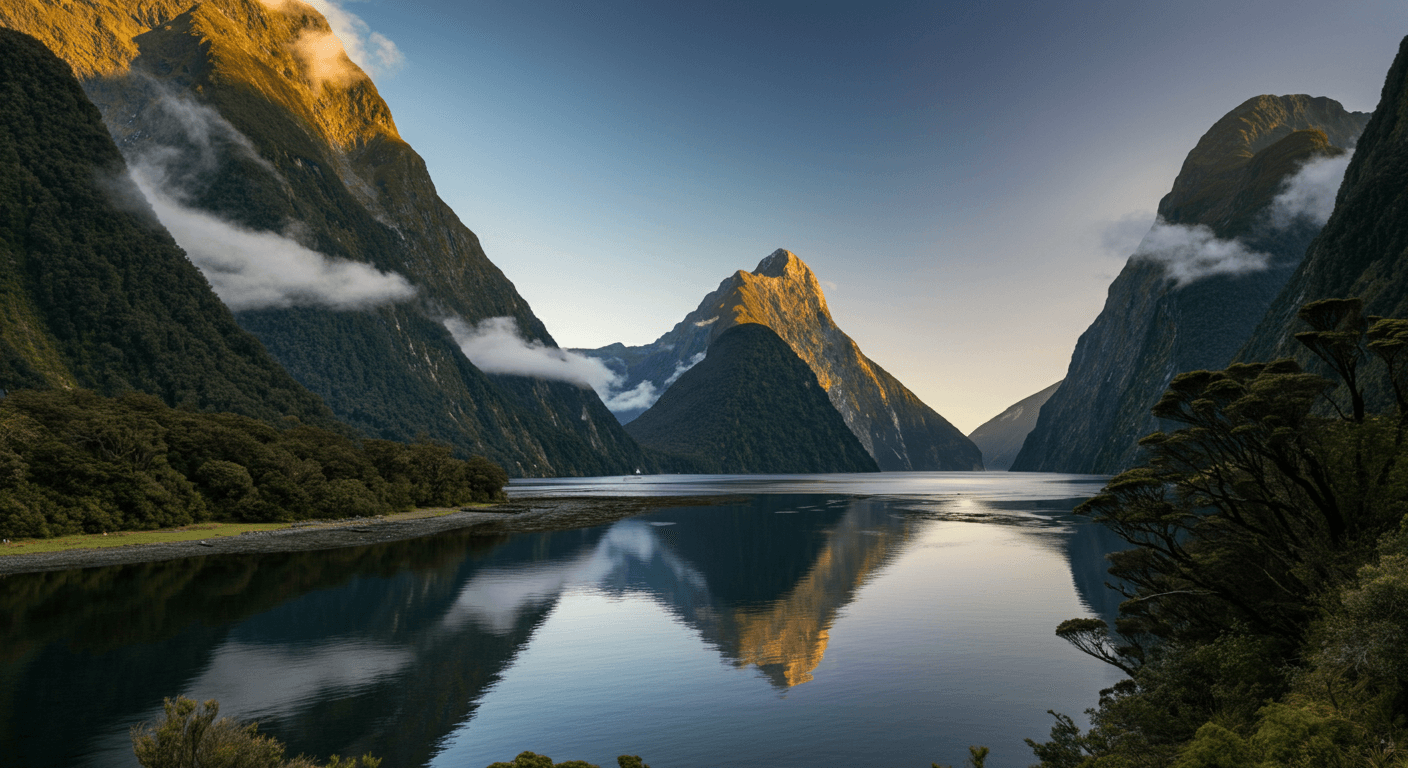 Product UpdatesLand of the Long White Cloud: Adventure, Wonder & Soul in New ZealandFrom bungee jumps over Queenstown's gorges to the mist-shrouded fjords of Milford Sound, the rolling hills of Hobbiton, and the living traditions of Māori culture — New Zealand is a journey that rewrites what travel can feel like.
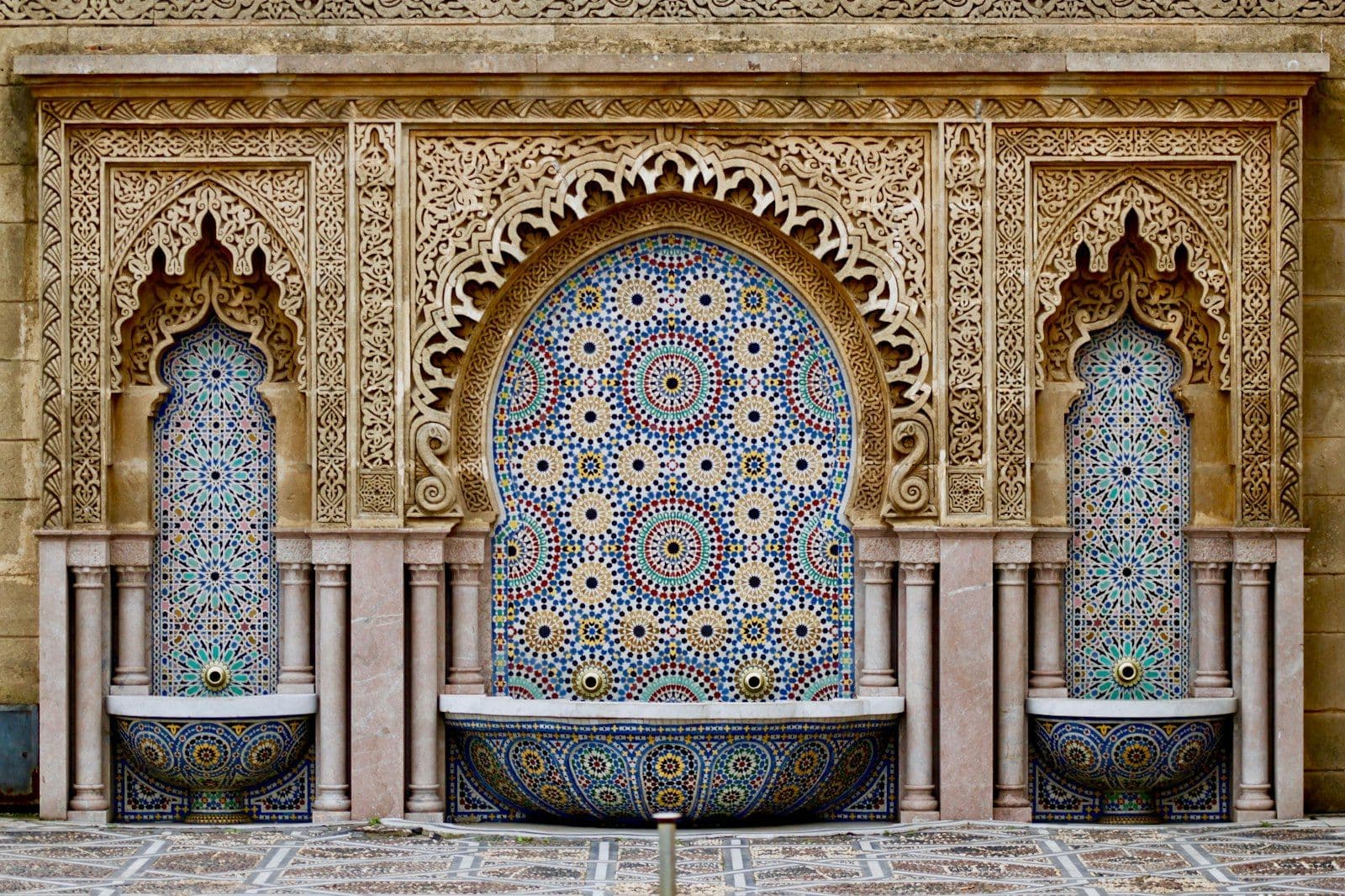 Company NewsLost in Morocco: Medinas, Deserts, and the Magic of ChefchaouenFrom the labyrinthine souks of Marrakech to the star-dusted silence of the Sahara, and the dreamy blue alleys of Chefchaouen — Morocco is a journey that rewires your senses. Here's everything you need to know before you go.